Dhanaa Ceylon Spices LTD
Premium B2B spice exporter supplying Ceylon cinnamon and the world's most sought-after spices to importers, wholesalers, and food manufacturers in Europe, North America, and beyond.
From the verdant highlands of Sri Lanka to the world's most discerning markets, Dhanaa Ceylon Spices was built on a single conviction: the finest spices deserve the finest standards. We are a dual-registered export house β headquartered in Galle, Sri Lanka, with a registered presence in the United Kingdom.
Every consignment we ship carries the weight of our reputation. That means rigorous supplier vetting, precise requirement matching, and full documentation β from phytosanitary certificates to precise COA reports.
Premium spices sourced from the most fertile growing regions of Sri Lanka, graded and documented to the highest international standards.
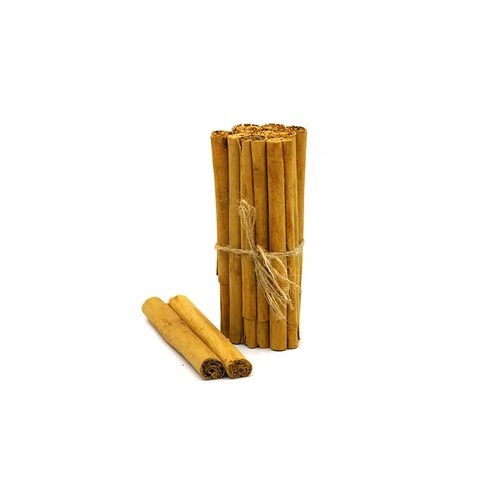
Premium Β· Grade A
Cinnamomum verum β the authentic Ceylon cinnamon. Softer and more complex than cassia, with delicate floral notes and natural sweetness. Available as Alba, C4, C5 quills, chips, powder, and bark.
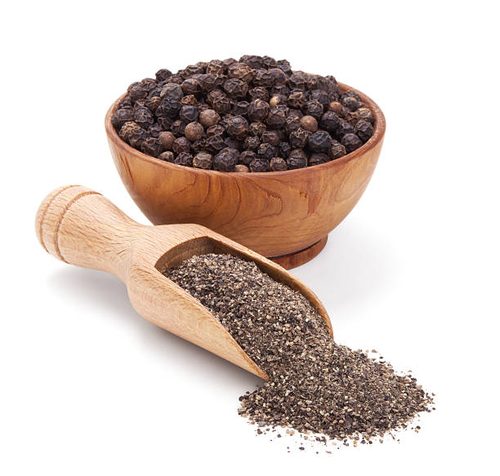
Premium Sri Lankan
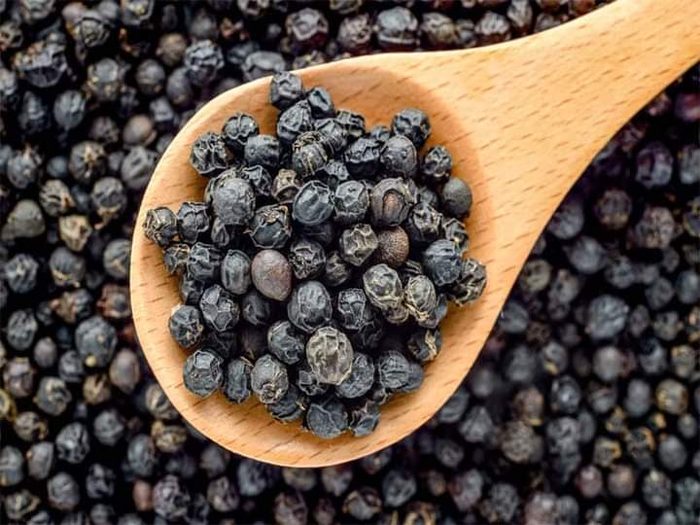
Bold, aromatic Piper nigrum. Whole, cracked, and ground formats available.
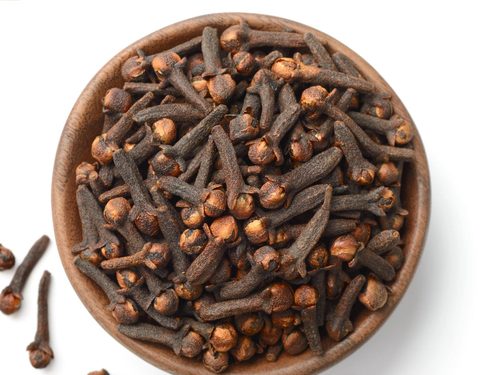
Matara Β· Kandy Region
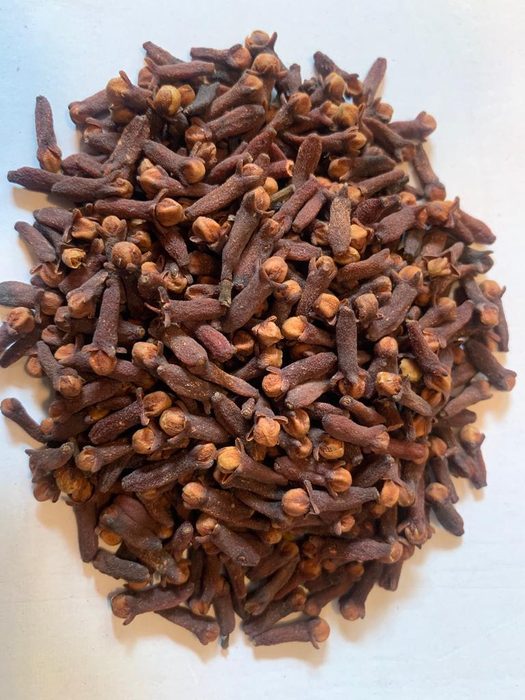
Syzygium aromaticum β rich, intensely fragrant. High essential oil content. Whole and powder.
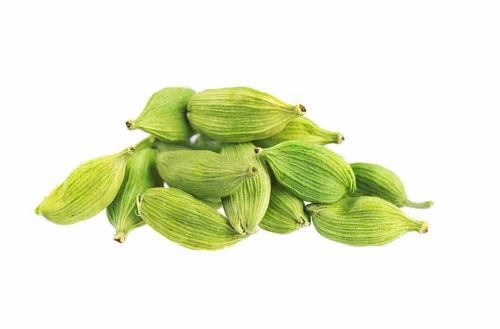
Highland Grown
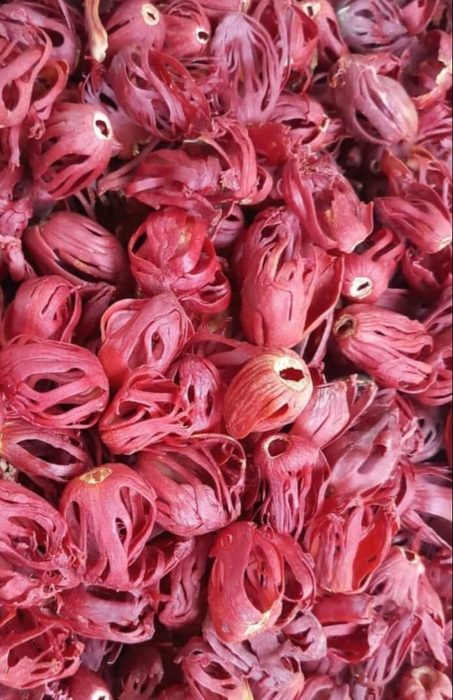
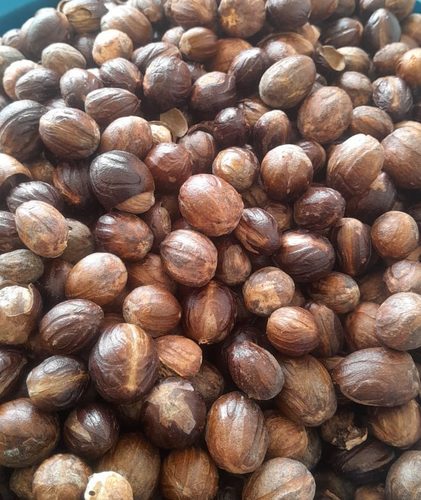
Exceptional fragrance. Whole pods and powder. Mace also available from our Myristica fragrans.
Every lot comes from a certified supplier and ships fully documented. Our quality control is not a checkbox β it is the foundation of every customer relationship we build.
Whether you need a sample, a spot order, or a long-term supply contract β every enquiry receives a personal response within 24 hours.
Dhanaa Ceylon Spices was founded with a clear mission: to bring the world's finest Sri Lankan spices to international markets with the integrity and professionalism that premium buyers expect. We operate as a lean, expert-led export house β registered in Sri Lanka as Dhanaa Spices and in the United Kingdom as Dhanaa Ceylon Spices LTD.
Our model is built around a carefully vetted network of Sri Lankan spice suppliers β each certified to FDA, HACCP, EU GMP, and ISO standards. When a buyer's requirement comes in, we match it to the supplier best equipped to meet that exact specification, manage procurement on your behalf, and coordinate documentation and logistics through to delivery. We handle everything so our buyers receive a seamless, transparent, reliable supply.
What distinguishes Dhanaa is our commitment to transparency. Every shipment comes with a complete documentation package β Certificate of Analysis, Phytosanitary Certificate, Fumigation Certificate, Certificate of Origin, and full traceability records. We believe buyers should never have to chase paperwork.
To be the most trusted premium B2B spice exporter from Sri Lanka β delivering exceptional quality, complete transparency, and reliable supply to food businesses worldwide.
To position Sri Lankan spices β especially Ceylon cinnamon β as the global benchmark for quality, and to build Dhanaa as the export partner of choice for premium food manufacturers worldwide.
Integrity in every transaction. Precision in every shipment. Sustainability in every sourcing decision. Partnership in every buyer relationship.
Each product is sourced through our certified supplier network, verified to international food safety standards, and fully documented.
Aromatic Sri Lankan pepper. Whole, cracked, and ground formats.
High essential oil content. Rich, intensely fragrant whole and powder.
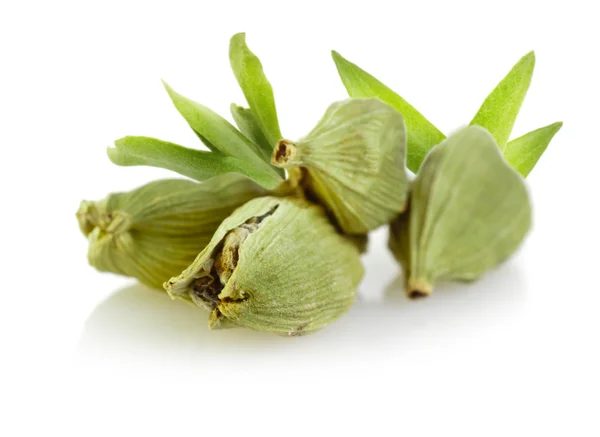
Fragrant hill-country cardamom. Whole pods and decorticated seeds.
Warm, complex nutmeg with its delicate aril mace. Whole and powder.
Sri Lankan black pepper is prized in the international spice trade for its higher piperine content, which gives it a sharper, more pungent character than pepper from many other origins. It's grown across the island's mid and low country regions and remains one of Sri Lanka's most consistently exported spices.
Every lot is sourced from certified suppliers graded to Sri Lanka Standards Institution specifications, and ships with a full Certificate of Analysis.
Grown mainly in the mid-country wet zone β the Kandy, Kegalle, and Matale districts β Sri Lankan cloves are recognised for their richer essential oil content compared to cloves from many other producing countries, giving them a more intense aroma and flavour.
Sri Lanka is consistently among the world's top ten clove-exporting countries, and every shipment we send ships with full Certificate of Analysis and export documentation.
Grown in Sri Lanka's mid-country wet zone hill regions, our cardamom is light green in colour and cured using a traditional barn-treating method that preserves its essential oils and distinctive fragrance through drying.
Every lot is sourced from certified suppliers in this region and documented to the same standard as our other spices.
Nutmeg and its delicate aril, mace, are grown in Sri Lanka's central districts of Matale, Kegalle, and Kandy β with roughly 80% of the island's nutmeg production coming from the Kandy district alone. Sri Lanka supplies an estimated 5% of global nutmeg demand and 7% of global mace demand, exporting to markets including India, the UAE, the USA, Germany, Pakistan, and the UK.
We don't run our own factory β we control quality by carefully choosing who does. Every order passes through a rigorous supplier-matching and verification process.
Every supplier in our network is vetted to hold certifications that meet and exceed international buyer requirements across EU, UK, US, and Middle East markets.
Build your own spice brand on the foundation of true Ceylon quality.
Supply your own branding and packaging design. We coordinate manufacturing, packing, and labelling through our certified supplier network to your exact specifications. MOQ from 500KG per SKU. Retail, wholesale, and foodservice formats available.
Custom formulation services for curry blends, spice mixes, and seasonings, matched to a certified manufacturing partner for your taste profile and specification. Full NDA available before discussions begin.
PP bags, kraft pouches, glass jars, bulk sacks, and custom retail packs. Work with your design files or use our packaging partners for a complete turnkey solution.
25g to 500g retail formats with your label. Shelf-ready packaging trays and retail-compliant labeling for EU, UK, and US markets. Designed for supermarket shelf appeal.
1KG to 25KG foodservice and wholesale formats for distributors, restaurant chains, and food manufacturers needing clean-label bulk product.
Every private label order ships with the complete documentation package β COA, Phytosanitary, Fumigation, and Certificate of Origin. Your brand backed by full traceability.
We manage the entire export process on your behalf β from initial sample dispatch through to container delivery at your port.
The cinnamon market is flooded with cassia masquerading as Ceylon. Here's how to identify true Cinnamomum verum, understand coumarin limits, and source correctly for EU and UK markets.
Documentation requirements, phytosanitary regulations, minimum order quantities, and how to evaluate a supplier β everything you need before your first order.
Why food manufacturers are reformulating with Ceylon cinnamon β the science behind coumarin-free cinnamon and antioxidant properties that drive premium positioning.
Geography, climate, soil, and generations of knowledge. An in-depth look at why the southern and central highlands are the only places for true cinnamon.
Quality, documentation, lead times, and traceability β the questions that separate professional export houses from informal traders. A practical checklist for procurement.
How importers and distributors are building profitable private label spice brands using Sri Lankan origin products β from retail positioning to packaging specification.
Walk into almost any supermarket outside Sri Lanka and the jar labelled "cinnamon" is, botanically speaking, not cinnamon at all β it's cassia. Global demand is overwhelmingly met by Cinnamomum cassia (Chinese cassia) and related species, while true cinnamon, Cinnamomum verum, is native almost exclusively to Sri Lanka. For importers and food manufacturers, knowing the difference isn't a matter of taste alone β it has real regulatory and liability implications.
Ceylon cinnamon bark is harvested in thin layers and rolled by hand into soft, multi-layered quills β light tan in colour, papery, and easy to crumble between your fingers. Cassia bark is thicker, harder, and rolled as a single curl, ranging from reddish-brown to dark brown. Once ground into powder the visual difference disappears, which is exactly how mislabelling happens further down the supply chain.
The most consequential difference is coumarin, a naturally occurring compound that is hepatotoxic (harmful to the liver) at high, sustained intake. Cassia cinnamon typically contains 2β7% coumarin, while Ceylon cinnamon contains only around 0.004β0.02% β several hundred times less. European regulators have set a coumarin limit of 2 mg/kg in food and a tolerable daily intake (TDI) of 0.1 mg per kg of body weight. In practical terms, a 60kg adult can reach that TDI from as little as roughly 2 grams of average-coumarin cassia cinnamon a day β a threshold easily crossed by regular bakery, cereal, or supplement consumption. Ceylon cinnamon's coumarin level is low enough that this ceiling is rarely a concern even with daily use.
Any food or supplement brand formulating for daily or high-frequency consumption β bakery lines, breakfast cereals, health supplements, functional beverages β carries real reformulation and labelling risk if the cinnamon in the recipe is cassia rather than Ceylon. This is precisely why a growing share of premium and health-focused manufacturers across the EU, UK, and North America are switching their cinnamon sourcing to verified Ceylon origin.
Every shipment we source comes from certified suppliers and ships with a full Certificate of Analysis confirming species, moisture, and coumarin content β because "Ceylon cinnamon" should mean exactly that.
Placing your first spice import order from Sri Lanka can feel like a maze of certificates, incoterms, and unfamiliar acronyms. Here's a practical walkthrough of what a well-run import actually looks like, so you know what to expect β and what to ask for β before you commit to an order.
If a supplier can't produce these as standard, treat that as a warning sign, not a negotiating point.
Most Sri Lankan exporters set MOQs from around 500KG per SKU, scaling up to full 20' or 40' containers for larger buyers. Shipping is typically quoted under FOB (Colombo), CIF, or CFR to your destination port, with EXW or DDP available on request. Ask your supplier to quote clearly under one Incoterm so landed-cost comparisons between suppliers are actually apples-to-apples.
A reputable exporter will dispatch pre-shipment samples matching the exact grade and specification you intend to order β not a "best case" sample unrelated to what ships. Approve the sample in writing before production begins, and keep a retained sample on file to compare against the bulk shipment on arrival.
Sri Lanka's Export Development Board has actively promoted "Pure Ceylon Cinnamon" as a certified, traceable global brand β use that same standard of verification when evaluating any exporter, for cinnamon or any other spice.
Ceylon cinnamon's reputation isn't just about flavour β a growing body of research is pushing food and supplement manufacturers to reformulate specifically around it. Here's what the evidence actually shows, and why the case is stronger for Ceylon than for ordinary cassia cinnamon.
Ceylon cinnamon carries a high concentration of polyphenol antioxidants, which help neutralise oxidative stress in the body β one of the underlying mechanisms linked to chronic disease and ageing. It's a large part of why cinnamon extract shows up so often in functional food and nutraceutical formulations.
Cinnamon's effect on glycaemic control is one of its best-studied properties. In clinical research, people with type 2 diabetes who took 1, 3, or 6 grams of cinnamon daily saw fasting blood glucose fall by roughly 18β29%, alongside triglyceride reductions of around 23β30%. This is a major reason cinnamon extract appears in diabetic-friendly and metabolic-health product lines.
Here's the catch most consumers never hear about: cassia cinnamon β the type in most supermarket jars β carries a naturally high coumarin content (2β7%) that becomes a liver-health concern at the volumes used in daily supplementation or frequent baking. Ceylon cinnamon's coumarin level is roughly a hundred to a thousand times lower, which is why regulators and nutritionists increasingly recommend Ceylon specifically for anyone consuming cinnamon regularly or in concentrated form. You get the metabolic and antioxidant benefits without the coumarin trade-off.
If your product is positioned around wellness, metabolic health, or daily use, formulating with true Ceylon cinnamon (Cinnamomum verum) rather than cassia is both a safety decision and a marketing one β "Ceylon cinnamon" on a label increasingly signals a more informed, higher-quality product to health-conscious buyers.
This article is intended for food industry and product-development audiences and is not medical advice. Manufacturers making specific health claims should validate them against the regulations of their target market and consult a qualified nutrition or regulatory professional.
True cinnamon has been grown commercially in Sri Lanka for centuries, and despite attempts to cultivate it elsewhere, the island still produces the vast majority of the world's genuine Ceylon cinnamon. That's not coincidence β it comes down to history, geography, and soil that are genuinely difficult to replicate.
Cinnamon was among the very first spices traded in the ancient world, carried out of Sri Lanka by Arab traders along routes that eventually reached Europe. Control of the Ceylon cinnamon trade was valuable enough that it helped motivate the great age of maritime exploration, and colonial powers β the Portuguese, the Dutch, and later the British β fought at length over monopoly rights to it. Long before Ceylon tea existed, cinnamon was Sri Lanka's signature export to the world.
The finest cinnamon comes from a specific stretch of Sri Lanka's south-west coast β running through Galle, Matara, Kalutara, and Ratnapura. This belt sees temperatures of roughly 25β32Β°C year-round and annual rainfall of 1,750β3,500mm across two monsoon seasons, conditions the cinnamon tree has adapted to over centuries. The soil is a slightly acidic sandy loam, rich in iron and manganese β soft enough for young roots to establish quickly, but mineral-rich enough to feed the tree's essential oil development.
Climate and soil explain why cinnamon grows well here β but the thin, multi-layered quill that defines Ceylon cinnamon is the result of generations of hand-peeling technique passed down through families of "cinnamon peelers" (salli karayo), a skill that still can't be fully replicated by machine at scale. That craftsmanship, combined with the growing conditions, is what produces the delicate sweetness and low coumarin profile that set Ceylon cinnamon apart from cassia grown elsewhere.
This isn't just marketing language β Ceylon Cinnamon became the first Sri Lankan product to receive Geographical Indication (GI) certification from the European Union, legally protecting the name for cinnamon genuinely grown and processed in Sri Lanka. Today Sri Lanka accounts for roughly 90% of the world's pure cinnamon exports, with the USA and Mexico as the largest single markets, alongside strong demand across Latin America and Europe.
The spice trade has no shortage of informal traders willing to quote a low price with none of the paperwork, testing, or reliability to back it up. These ten questions separate a professional export house from a risky one β ask them before you place a deposit.
If a supplier hesitates on more than one or two of these, treat that as your answer.
Retailers, distributors, and food brands increasingly want a spice range they can call their own β without building a sourcing and processing operation from scratch. Private label manufacturing from an established Sri Lankan exporter is how most of them get there.
You supply the brand β your packaging design, labelling, and market positioning. We handle sourcing, processing, quality control, and packing to your exact specification. The result reaches your customer as your product, backed by genuine Ceylon origin and full export documentation.
Health-conscious consumers are increasingly aware of the difference between Ceylon cinnamon and ordinary cassia β particularly the significantly lower coumarin content and the EU Geographical Indication status that legally protects the Ceylon name. A private label range built on genuine, documented Ceylon origin gives your brand a real, defensible quality story, not just a marketing claim.
Whether you're launching your first private label spice line or adding Ceylon cinnamon to an existing range, the fastest way to start is a conversation about what you're trying to build.
Whether you're placing your first order or looking to establish a long-term supply relationship, we respond to every enquiry personally within 24 hours.
"Very good products. Highly recommended."
β Danushka Kalansooriya
"Good service! Highly recommend! Keep it up."
β Chathuri Dilhara
"Good product, highly recommend."
β Nethmi Sewwandi
We respond within 24 hours with pricing and availability.
MOQs vary by product, starting from 250KG for cardamom and nutmeg/mace, and 500KG per SKU for cinnamon, cloves, and private label orders. Black pepper can start as low as 1MT. Full container loads (20' or 40' FCL) are available for larger buyers.
Our standard payment method is an irrevocable Letter of Credit payable at sight (Sight LC), issued in favour of Dhanaa Spices. Other methods such as telegraphic transfer may be accepted at our discretion β see our Terms & Conditions for details.
Yes. We dispatch pre-shipment samples matching the exact grade and specification of your intended order, so you can approve quality before production begins.
Every order ships with a Certificate of Analysis (COA), Phytosanitary Certificate, Fumigation Certificate, Certificate of Origin, Commercial Invoice, Packing List, and Bill of Lading or Air Waybill.
Most "cinnamon" sold worldwide is cassia, a different species with 2β7% coumarin content. True Ceylon cinnamon (Cinnamomum verum), grown almost exclusively in Sri Lanka, contains only around 0.004β0.02% coumarin β read our full Ceylon vs Cassia comparison for the details.
We ship under FOB Colombo, CIF, or CFR to your destination port, with EXW or DDP available on request, via 20'/40' FCL, LCL groupage, or air freight for urgent orders.
Yes. We coordinate sourcing, manufacturing, and packing through our certified supplier network to your specification, from 500KG per SKU, with a mutual NDA available before formulation details are discussed. See our Private Label & OEM page.
Every supplier in our network is certified to ISO 22000, HACCP, and GMP standards, and each lot is lab-tested by the certified producer for pesticide residue, heavy metals, and microbiological safety ahead of EU, UK, US, and Middle East market requirements.
Every enquiry submitted through our contact form or WhatsApp receives a personal response within 24 hours, along with a detailed quotation.
Our head office and processing facility are in Galle, Sri Lanka, with a registered office in London, United Kingdom. All shipments are loaded at Colombo Port.
Last updated: July 2026
This Privacy Policy explains how Dhanaa Ceylon Spices LTD (registered in England & Wales, Company No. 17185293, registered office 128 City Road, London, United Kingdom) and Dhanaa Spices (registered in Sri Lanka, Reg. No. 2296018, Maththawala, Meegoda, Wanchawala, Galle 80120, Sri Lanka) β together "Dhanaa", "we", "us" β collect, use, and protect your information when you visit this website or contact us.
When you submit our quote/enquiry form, we collect your first and last name, company name, email address, country, product interest, and the message you provide. We do not collect payment card details through this website.
We do not sell your information. We share it only with the service providers that help us run this website and respond to you:
We keep enquiry records for as long as needed to respond to you and manage our business relationship. Where an enquiry does not lead to an ongoing relationship, we delete or anonymise it after 24 months. Records relating to completed orders and shipments are kept for as long as required under Sri Lankan and UK tax, customs, and export-documentation law.
You may ask us to access, correct, or delete the personal information we hold about you, or object to how we use it, by emailing Dhanaaceylonspiceuk@gmail.com.
This website uses cookies as described in our Cookie Policy.
We may update this policy from time to time. The latest version will always be posted on this page.
Email: Dhanaaceylonspiceuk@gmail.com
Dhanaa Ceylon Spices LTD, 128 City Road, London, United Kingdom
Dhanaa Spices, Maththawala, Meegoda, Wanchawala, Galle 80120, Sri Lanka
Last updated: July 2026
These Terms & Conditions govern all quotations, orders, and use of this website by Dhanaa Ceylon Spices LTD (Company No. 17185293, England & Wales) trading together with Dhanaa Spices (Reg. No. 2296018, Sri Lanka) β together "Dhanaa". By requesting a quote, placing an order, or otherwise using this website, you agree to these terms.
Quotations are provided based on the information submitted and are valid for 7 days from issue unless stated otherwise, subject to stock availability and prevailing market prices for raw material.
Standard minimum order quantities are as stated on our Products and Private Label pages (from 500KG per SKU), unless otherwise agreed in writing.
Our standard accepted payment method is an irrevocable Letter of Credit payable at sight (Sight LC), issued in favour of Dhanaa Spices. As all production, quality control, and export processing takes place in Sri Lanka, payment is received into a Sri Lankan bank account, which allows us to process and dispatch orders promptly. Other payment methods (e.g. telegraphic transfer) may be accepted at our discretion and will be confirmed in your order confirmation.
Orders are shipped under the Incoterms stated on our Export page (FOB, CIF, CFR, EXW, or DDP on request), from Colombo Port, Sri Lanka. Delivery timelines are estimates and depend on production, documentation, and shipping schedules.
Each shipment is accompanied by a Certificate of Analysis (COA) and supporting export documentation. Any quality claims must be raised in writing within 14 days of arrival at the destination port, accompanied by supporting evidence (e.g. inspection report, photographs).
Private label and OEM formulation details shared with us are treated as confidential. A mutual non-disclosure agreement (NDA) is available on request before detailed discussions begin.
Dhanaa shall not be liable for delay or failure to perform its obligations caused by circumstances beyond its reasonable control, including natural disasters, strikes, war, or government action.
To the extent permitted by law, Dhanaa's liability in connection with any order is limited to the value of that order. Dhanaa is not liable for indirect or consequential losses.
As all production and export processes take place in Sri Lanka, these Terms are governed by the laws of Sri Lanka, and the courts of Sri Lanka shall have exclusive jurisdiction over any dispute.
We may update these Terms from time to time; the version in effect at the time of your order applies.
Email: Dhanaaceylonspiceuk@gmail.com Β· WhatsApp/Phone: +94 76 230 7361
Last updated: July 2026
This Cookie Policy explains how Dhanaa Ceylon Spices LTD / Dhanaa Spices ("Dhanaa", "we") uses cookies on this website.
Cookies are small text files stored on your device when you visit a website. They help websites remember information about your visit.
We use Google Analytics to understand how visitors use this website (e.g. which pages are viewed, how long visitors stay), so we can improve our content and products. Google Analytics sets the following cookies:
We do not use advertising or marketing cookies.
You can control or delete cookies through your browser settings at any time. You can also opt out of Google Analytics tracking across all websites using Google's Analytics Opt-out Browser Add-on.
We may update this policy from time to time. The latest version will always be posted on this page.